Oct Back to list
Ceramic Dinnerware Manufacturers Performance Analysis
Selecting the right partner among various ceramic dinnerware manufacturers often comes down to a balance between artistic design and industrial durability. For procurement managers and home retailers, the challenge is no longer just finding a supplier who can produce a set, but finding one who integrates material science with aesthetic versatility.
The global shift toward sustainable living and high-performance kitchenware has pushed the industry beyond simple clay molding. Today, the focus has moved toward refined glazes, thermal shock resistance, and the integration of hybrid materials like borosilicate glass to complement traditional ceramic lines.
Understanding the technical benchmarks used by professional ceramic dinnerware manufacturers allows buyers to move past superficial catalogs and evaluate products based on long-term performance and hygienic safety.
The Shift in Modern Tableware Production
The transition from traditional pottery to industrial-grade manufacturing has redefined how we perceive "quality" in dinnerware. Modern production now emphasizes consistency across thousands of units, ensuring that a plate produced in January is identical in hue and weight to one produced in December.
This standardization is achieved through precisely controlled kiln temperatures and the use of refined raw materials. Manufacturers are now leveraging automated embossing and pad printing techniques to create intricate patterns that maintain their integrity even after years of dishwasher cycles.
Engineering the Perfect Glaze and Finish
Glazing is not merely an aesthetic choice; it is a critical functional layer. A high-quality glaze seals the porous ceramic body, making the vessel non-reactive and hygienic. For professional dinner sets, the industry has seen a rise in reactive glazes, where chemical reactions during firing create unique, organic patterns that appeal to the luxury market.
Beyond the visual, the hardness of the glaze determines the product's resistance to cutlery scratches. Embossed dinner sets require a specific glaze viscosity to ensure that the texture is highlighted without creating "dead zones" where food residue can accumulate, which is a primary concern for health-conscious consumers.
Technical precision in glazing also prevents "crazing"—the network of fine cracks that can appear over time. By matching the thermal expansion coefficient of the glaze to that of the ceramic body, manufacturers ensure a bond that withstands the rapid temperature changes common in modern kitchens.
Evaluating Material Integrity
When analyzing the output of various manufacturers, the focus must extend to the physical properties of the material. Whether it is stoneware, porcelain, or bone china, the density of the fired clay determines the product's chip resistance and overall lifespan.
Material durability in professional dinnerware is a result of the synergy between raw mineral purity and the specific firing curve of the kiln, rather than just the thickness of the piece.
For those expanding their product lines to include glassware, high-borosilicate glass is the gold standard. Unlike soda-lime glass, borosilicate is engineered for extreme thermal resistance, making it ideal for products like oil dispensers and tea pots that frequently encounter heat.
Performance Metrics for Commercial Use
Commercial kitchen environments place extreme stress on tableware. The ability to withstand repeated mechanical washing and the impact of high-volume service is what separates industrial-grade dinnerware from consumer-level products. Key metrics include the absorption rate—where lower percentages indicate a denser, more hygienic product.
Evaluating the balance between weight and strength is also essential. A piece that is too heavy increases labor fatigue in hospitality settings, while one that is too light may lack the thermal mass required to keep food warm during transport from the kitchen to the table.
Figure 2. Material Performance Comparison Index
Integrating Glass and Ceramic Ecosystems
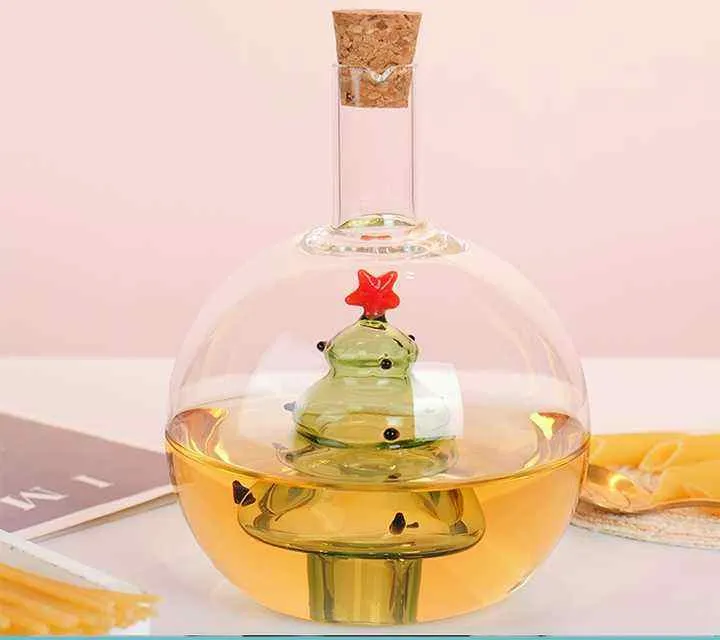
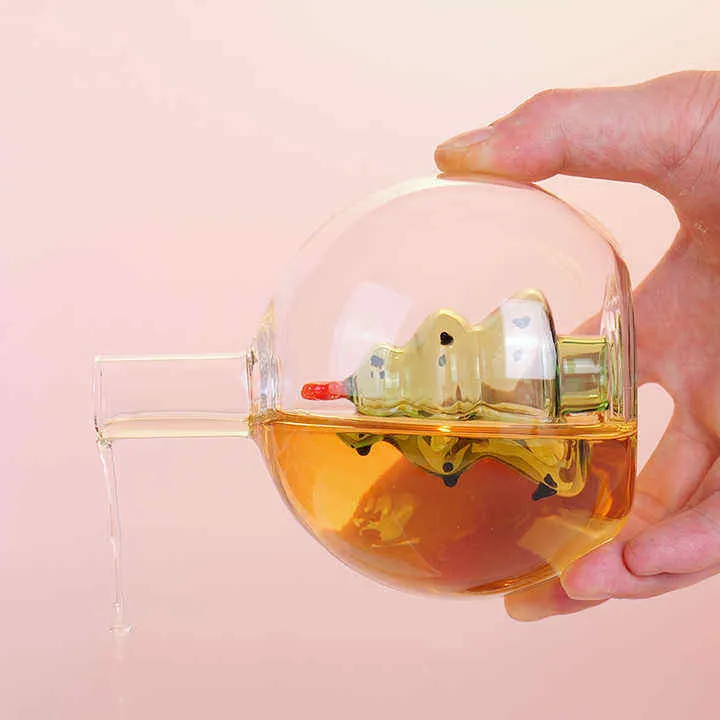
A cohesive kitchen ecosystem often requires the integration of both ceramics and high-performance glass. For instance, while ceramic plates provide the foundation for a meal, borosilicate glass accessories—such as the 1000ml oil dispenser—provide the necessary functionality for preparation. The use of high-borosilicate glass ensures that the dispenser can handle hot oils directly from the stove without risk of shattering, mirroring the thermal stability found in professional ceramics.
This synergy is particularly evident in the product range of SHIJIAZHUANG MAIXIN TRADING CO.,LTD., where the focus on innovative borosilicate glassware complements their ceramic dinnerware offerings. By offering both, manufacturers can provide a comprehensive solution that covers everything from food storage and bakeware to sophisticated drinkware, ensuring a unified aesthetic and quality standard across the entire kitchen.
Future Trends in Sustainable Dining
The industry is moving toward "closed-loop" manufacturing, where waste ceramic shards are recycled back into the clay body. This not only reduces the environmental impact of mining raw minerals but also maintains the structural integrity of the final product.
Furthermore, there is a growing demand for lead-free and cadmium-free glazes. As global health regulations tighten, manufacturers are investing in organic pigment research to create vibrant colors that are completely safe for long-term food contact, especially for those producing decorated and glazed dinner sets.
Design trends are also shifting toward minimalist, multi-functional pieces. The "everything-in-one" approach, where a single ceramic vessel can move from oven to table, requires a level of thermal shock resistance that is pushing manufacturers to experiment with new composite materials and firing techniques.
Sourcing Framework for Global Buyers
When auditing potential suppliers, buyers should look beyond the showroom samples. A comprehensive evaluation includes reviewing the kiln's consistency logs and the manufacturer's quality control process for "invisible" defects like internal stress fractures.
Packaging is another often-overlooked critical factor. Because ceramic and glass products are inherently fragile, the engineering of the shipping crate is as important as the product itself. Professional manufacturers implement rigorous drop tests to ensure that products arrive intact across international borders.
Ultimately, the choice of a partner depends on the specific needs of the end-user—whether it is the high-turnover environment of a restaurant or the aesthetic-driven demand of a luxury home collection. The following framework helps categorize the suitability of different materials.
| Material Type | Thermal Resistance | Chip Resistance | Typical Use Case |
|---|---|---|---|
| Fine Porcelain | High | Medium | Luxury Dining |
| Heavy Stoneware | Medium | High | Casual Bistro |
| Bone China | Medium | Low | High-End Tea Service |
| Borosilicate Glass | Very High | Medium | Kitchen Utensils |
| Earthenware | Low | Medium | Rustic Decor |
| Reactive Glaze Ceramic | High | High | Artisanal Dining |
Questions & Answers
A high-quality manufacturer is defined by their ability to maintain consistency in glaze application, precise firing temperatures to prevent crazing, and the use of non-toxic, lead-free materials. They should also provide rigorous quality control documentation and possess the capability to scale production without compromising the structural integrity or aesthetic finish of the products.
Borosilicate glass contains boron trioxide, which significantly lowers the coefficient of thermal expansion. This means it does not expand or contract as rapidly as soda-lime glass when exposed to temperature changes, making it virtually immune to thermal shock. This property is essential for items like oil dispensers and tea pots that may be filled with hot liquids.
Focus on the precision of the embossing and the quality of the glaze. The patterns should be crisp and consistent, and more importantly, the glaze must completely cover the recessed areas of the embossed design. This prevents food particles from becoming trapped in the texture, ensuring the set is easy to clean and remains hygienic.
Yes, provided they are fired at high temperatures. Professional-grade reactive glazes are fused into the ceramic body during the firing process. When produced by experienced manufacturers, these finishes are highly durable and can withstand the harsh chemicals and high temperatures of industrial dishwashers without losing their unique color variations.
Chip resistance is typically a function of material density and firing temperature. You can evaluate this by checking the "absorption rate" of the ceramic; a lower absorption rate generally indicates a denser, harder material. Additionally, request sample "stress tests" or impact data from the manufacturer to understand how the edges perform under pressure.
A drip-free spout is a result of precise geometric engineering of the pouring lip. It prevents oil from running down the side of the bottle, which maintains kitchen cleanliness and prevents the buildup of sticky residues. From a hygiene perspective, it also minimizes the exposure of the oil to external contaminants and dust on the exterior of the vessel.
Final Thoughts
The evolution of the tableware industry reflects a broader move toward the intersection of art and engineering. Whether sourcing from specialized ceramic dinnerware manufacturers or integrating high-borosilicate glass accessories, the goal is to find products that offer both aesthetic pleasure and uncompromising functional durability.
As sustainability becomes the primary driver for the next generation of kitchenware, the companies that prioritize material purity and waste reduction will lead the market. Investing in high-density ceramics and thermal-resistant glassware is not just a purchase of utility, but a commitment to quality and longevity in the modern home.