Oct Back to list
porcelain dinnerware sets Material Composition and Performance Analysis
Selecting the right tableware often involves a struggle between aesthetic appeal and long-term durability. For many homeowners and hospitality managers, the goal is to find a balance where elegance does not come at the cost of frequent replacements due to chipping or thermal shock.
The shift toward high-performance materials has redefined how we perceive dining surfaces. While traditional ceramics have served us for centuries, the integration of refined minerals and advanced glazing techniques has allowed for a new generation of products that withstand the rigors of modern kitchens while maintaining a sophisticated look.
Whether you are upgrading a residential dining room or sourcing for a commercial establishment, understanding the material science behind porcelain dinnerware sets is essential for making a sustainable and visually impactful investment.
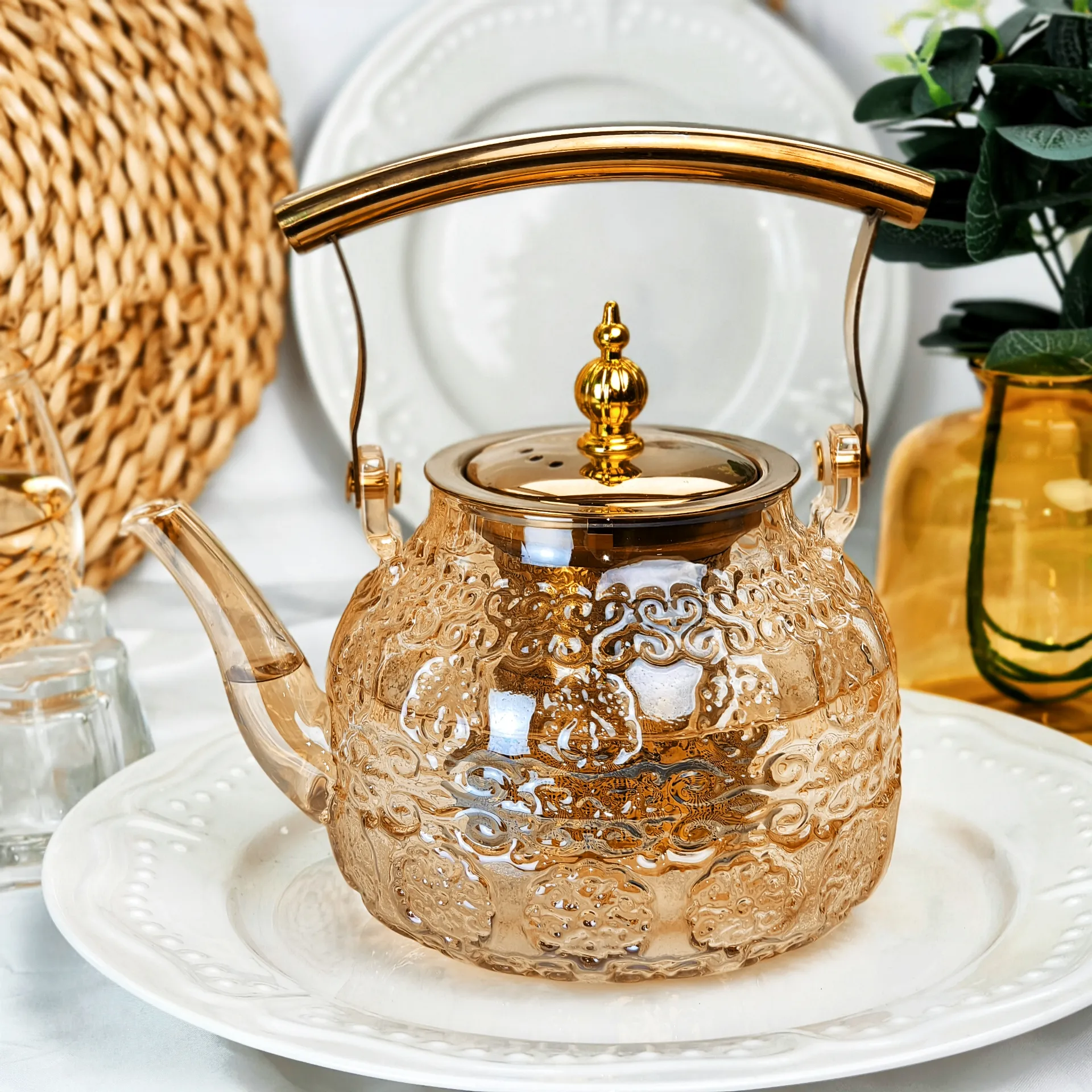
Material Composition and Structural Integrity
At its core, porcelain is distinguished by its high kaolin content, which is fired at significantly higher temperatures than earthenware or stoneware. This process, known as vitrification, removes air pockets and creates a dense, non-porous structure. The result is a material that is not only translucent but also remarkably resistant to liquid absorption.
Because of this density, these sets are less prone to bacteria buildup and staining compared to lower-fired ceramics. The structural integrity ensures that the dinnerware can handle the repetitive stress of stacking and transport, which is critical for both high-traffic households and professional catering.
Key Performance Indicators for Tableware
When evaluating the quality of dinnerware, technical specifications often matter more than visual appeal. Chip resistance is the primary KPI; it refers to the material's ability to withstand impact on the edges. This is usually a result of the firing temperature and the precise chemical balance of the clay body.
Thermal shock resistance is another critical factor. This is the ability of a piece to move from a cold environment to a hot one (or vice versa) without cracking. While porcelain is generally strong, its performance varies depending on the purity of the materials used during the manufacturing process.
Finally, surface hardness prevents cutlery scratches. A high-quality glaze creates a hard, glass-like barrier that protects the underlying ceramic. This ensures that the plates remain smooth and visually pristine even after hundreds of uses with stainless steel knives.
The Role of Glazing and Finishing
The finish of a ceramic set is more than just a color choice; it is a functional layer. Glazing involves applying a mixture of powdered glass and minerals to the bisque-fired piece, which is then fired again to melt the glaze into a seamless coating.
The synergy between the clay body and the glaze prevents "crazing"—the development of fine cracks in the surface—which is a common failure point in lower-grade ceramic dinnerware.
Advanced techniques, such as the use of reactive glazes or embossed patterns, add tactile and visual depth. For instance, SHIJIAZHUANG MAIXIN TRADING CO.,LTD. focuses on innovation in glazed and embossed designs, ensuring that decorative elements do not compromise the hygiene or durability of the set.
Relative Durability Metrics across Ceramic Types
Comparing different ceramic materials helps buyers understand the trade-offs between cost, weight, and longevity. While earthenware is affordable and rustic, it lacks the density of porcelain. Stoneware offers a middle ground, providing good durability for everyday use but lacking the refined translucency of high-fired porcelain.
To illustrate this, we can look at a relative performance index based on common industry evaluation factors such as porosity, hardness, and heat resistance.
Figure 2. Material Performance Comparison Index
Practical Application Scenarios
In a high-volume commercial kitchen, the primary concern is "stacking wear." When plates are stacked 20 high, the bottom plates bear significant weight. High-density porcelain is the preferred choice here because it resists deformation and edge-chipping under pressure.
For residential users, the focus often shifts to versatility. A set that can transition from a microwave for reheating to a dining table for presentation is highly valued. This versatility is where the expertise of a homeware export company becomes apparent, as they source products that meet both aesthetic and functional standards for diverse global markets.
Evolving Trends in Dining Aesthetics
Modern dining trends are moving away from perfectly uniform sets toward "curated" collections. This involves mixing different textures—such as combining a smooth matte plate with a highly glossy embossed bowl—to create a more organic and artistic table setting.
Sustainability is also driving design. There is a growing demand for materials that are lead-free and cadmium-free, ensuring that the dining experience is healthy as well as beautiful. This commitment to safety is a cornerstone of contemporary ceramic production.
Furthermore, the integration of different materials is becoming common. Many consumers now pair their porcelain dinnerware sets with high borosilicate glass accessories, such as pitchers or storage jars, to create a cohesive yet varied kitchen environment.
Decision Framework for Procurement
Choosing the right set requires a structured evaluation. Instead of focusing solely on the pattern, buyers should assess the intended use-case—whether it is for daily family meals, formal events, or commercial food service.
Weight is often a deceptive indicator of quality. While some assume heavier is better, high-quality porcelain is often thinner yet stronger than heavy stoneware due to its superior vitrification.
The following framework provides a qualitative comparison of factors to consider when selecting between different ceramic options.
| Evaluation Factor | Earthenware | Stoneware | Porcelain | Selection Advice |
|---|---|---|---|---|
| Porosity | High | Low | Very Low | Choose Porcelain for hygiene |
| Firing Temp | Low | Medium | High | Higher temp equals more strength |
| Chip Risk | Moderate | Low | Very Low | Porcelain is best for edges |
| Visual Style | Rustic | Contemporary | Refined | Match to dining atmosphere |
| Maintenance | Careful | Easy | Very Easy | Dishwasher safety is key |
| Longevity | Short | Medium | Long | Porcelain offers best ROI |
Questions & Answers
Porcelain is a specific type of ceramic fired at much higher temperatures (often above 1,200°C), which causes the material to vitrify. This process creates a dense, glass-like structure that is non-porous and translucent. In contrast, standard ceramics like earthenware are fired at lower temperatures and remain porous, making them more susceptible to moisture absorption and chipping.
Most high-quality porcelain is naturally dishwasher and microwave safe due to its density and high firing temperature. However, you must be cautious with "decorated" sets. If the set contains metallic accents (like gold or platinum rims), these can cause arcing in a microwave. Always check the specific product details to ensure the glazing process used is compatible with these appliances.
Professional grade porcelain is characterized by its lack of porosity and a high resistance to "crazing" (fine surface cracks). A simple test is to check the uniformity of the glaze and the weight-to-strength ratio. Professional sets often feel balanced—not overly heavy—and have a perfectly smooth finish that resists scratches from stainless steel cutlery over time.
It depends on your priority. Stoneware is excellent for a cozy, rustic feel and is generally very durable, making it great for casual family dining. Porcelain, however, is superior in terms of hygiene (due to lower porosity) and long-term edge durability. For those who prioritize a refined look and maximum lifespan, porcelain is the better investment for daily use.
Chipping usually occurs due to mechanical impact or extreme thermal shock. To prevent this, avoid stacking plates too haphazardly and use felt dividers if stacking very high numbers of pieces. Additionally, avoid taking a plate directly from a freezer and putting it into a high-temperature oven, as the sudden expansion can stress the material.
If the colors are applied under the glaze (underglaze), they are permanently sealed and will not fade, regardless of how often they are washed. Overglaze decorations can wear down over years of abrasive scrubbing. When choosing a set for high-frequency use, underglaze or high-fired decorative techniques are recommended for permanent color vibrancy.
Final Thoughts
Investing in quality tableware is a decision that balances immediate visual impact with long-term utility. By focusing on the technical aspects—vitrification, glaze quality, and material purity—buyers can move beyond the surface and select pieces that truly enhance the dining experience.
Whether opting for the timeless elegance of porcelain or the modern versatility of borosilicate glass, the key lies in choosing products designed with a harmony of art and function. A well-chosen set does more than hold food; it sets the stage for connection and celebration in the heart of the home.